Communal Area Cleaning in Bermondsey
If you manage or live in a shared building, keeping entrance halls, stairwells, corridors, lifts, and bin spaces clean is not just about appearance. It affects comfort, hygiene, property value, and the everyday experience of residents and visitors. Our Communal area Cleaning in Bermondsey service is designed for local flats, apartment blocks, mixed-use buildings, housing developments, converted Victorian properties, and modern estates that need reliable, regular attention.
Bermondsey has a wide mix of properties and busy communal spaces. From riverside apartments and warehouse conversions to estates near Southwark Park, long corridors in purpose-built blocks, and shared entrances around Bermondsey Street, there are plenty of areas that can quickly show dirt, dust, litter, and footprints. A local cleaning team understands the pace of the area, the access issues that come with shared buildings, and the standards residents expect from a well-kept common area.
Whether your building needs weekly upkeep or a more tailored schedule, our approach focuses on practical, consistent results. We help keep shared spaces tidy, presentable, and hygienic, while making life easier for residents, landlords, property managers, housing associations, and block management companies. If you are looking for dependable communal area cleaning near Bermondsey, this page explains what is included, how the service works, and why a local team can make all the difference.
Why communal cleaning matters in Bermondsey
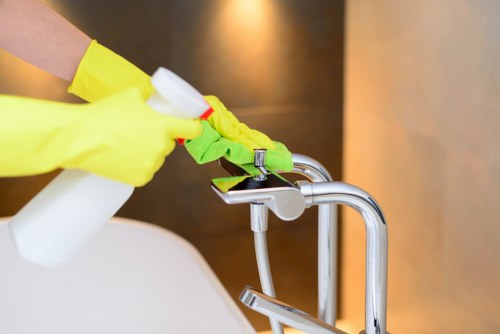
Shared areas are often the first place people notice when entering a building. Smudged glass, dirty bannisters, overflowing bins, and dust in corners can create the impression that the whole property is poorly maintained. In busy parts of Bermondsey, where residents often have deliveries, pushchairs, bikes, pets, and regular foot traffic, common areas can deteriorate quickly unless they are cleaned on a planned basis.
For residential blocks, regular communal cleaning helps maintain a more pleasant living environment. It reduces the build-up of grime on floors and touchpoints, keeps entrances looking cared for, and supports a sense of pride in the building. For landlords and managing agents, it can also help protect the long-term condition of communal surfaces, finishes, and fittings by stopping dirt from becoming ingrained.
In commercial or mixed-use premises, the standard is equally important. Offices above retail units, shared lobbies, and service corridors need to stay clean for staff, tenants, and visitors. A reliable cleaning schedule makes the building feel more professional and reduces complaints from occupants who notice when bins, mats, or staircases are not being maintained properly.
What our communal area cleaning service includes

Every building is different, so the service is usually shaped around the layout, number of floors, traffic levels, and how the communal space is used. That said, a typical package for communal area cleaning will usually include a range of tasks designed to keep shared areas neat and hygienic.
Common tasks may include:
- Sweeping, vacuuming, and mopping of entrance areas, landings, and stairwells
- Dusting ledges, skirting boards, handrails, bannisters, and reachable surfaces
- Cleaning internal glass, mirrors, and frequently touched doors
- Wiping lift buttons, panels, and other high-contact points
- Removing litter and visible debris from shared circulation areas
- Cleaning bin stores and waste collection points where included
- Spot-cleaning marks from walls, doors, and switches where appropriate
- Checking for obvious issues such as leaks, heavy buildup, or recurring mess that should be reported
Depending on the property, the service can also be adapted to include mats, entry mats, mailbox areas, parcel ledges, shared lounges, or lobby furniture. The aim is to create a practical routine that keeps the building in good order without causing disruption to residents or occupiers.
Important: a good communal cleaning schedule is not about doing the same tasks everywhere. It is about understanding what your building actually needs and making sure the areas people use every day are kept clean to an acceptable standard.
Types of properties we clean in Bermondsey

Bermondsey has a varied property mix, and communal space cleaning needs can differ significantly from one building to another. Older properties often have tighter staircases, more wear on bannisters, and trickier access. New-build developments may have larger lobbies, glass features, and lift areas that need regular wiping to stay looking polished.
We work with a wide range of premises, including:
- Purpose-built apartment blocks
- Converted houses and mansion-style properties
- Mixed residential and commercial buildings
- Modern housing estates
- Private developments and leasehold buildings
- Managed blocks near Bermondsey Street, Old Jamaica Road, and surrounding roads
- Properties close to Southwark Park, Spa Road, and nearby residential pockets
Each setting comes with different cleaning needs. A small converted block may need careful attention to stair rails, entry mats, and a compact hall. A larger estate might require a more regular routine for multiple floors, bin access areas, and lift lobbies. We can tailor the service to the realities of the building rather than offering a one-size-fits-all approach.
For buildings with shared entrances used by residents, visitors, delivery drivers, and contractors, it is especially helpful to have a cleaner who understands where dirt accumulates fastest and which areas should be prioritised during each visit.
Why a local Bermondsey team is useful

Choosing a local team for communal area cleaning in Bermondsey brings practical benefits. Local knowledge matters when it comes to access, timing, transport, and understanding how different buildings in the area operate. Bermondsey can be busy during peak hours, and parking or loading near some properties may be limited. A local cleaning provider is better placed to plan visits around the realities of the neighbourhood.
That matters when a cleaner needs to arrive on time, move equipment safely, and work around resident access, concierge arrangements, intercom systems, or shared entry codes. It also helps to have a team familiar with the kinds of buildings commonly found in the area, from compact stair cores to larger estates and redevelopment sites where communal standards are closely monitored.
Local support is also valuable when cleaning needs change. If a block has increased foot traffic, works taking place nearby, or issues with bins, litter, or muddy entrances during wetter months, a nearby team can respond more quickly and adjust the routine where needed. That flexibility can be particularly useful for managing agents and landlords who want consistent service without unnecessary delays.
In short: local experience means better planning, fewer access problems, and a service that feels more responsive to Bermondsey properties and residents.
How the service works

Getting started with communal cleaning should be straightforward. A sensible service begins with understanding the building, its traffic levels, and the expectations of residents or management. From there, the cleaning plan can be agreed and set into a routine that works for everyone involved.
The usual process is:
- Review the building – We look at the communal areas, layout, and any problem spots such as dirty entry floors, high-touch doors, or bin spaces.
- Agree the schedule – You choose a cleaning frequency that suits the building, whether that is weekly, twice weekly, or more frequent in busier locations.
- Set the cleaning scope – Tasks are agreed so everyone knows what is included and what should be prioritised.
- Carry out regular visits – Cleaning is completed to the agreed standard, using a practical routine focused on the shared areas that matter most.
- Monitor and adjust – If the building changes, the service can be reviewed to keep pace with usage, seasons, or resident feedback from the management side.
This type of organised approach helps prevent the common issues that arise in shared buildings, such as dust build-up on landings, general wear in high-traffic entrances, and bins or recycling areas becoming unpleasant if left unchecked.
For customer peace of mind, the process should always be clear and easy to follow. A good cleaning arrangement is not complicated; it is consistent, reliable, and designed around the actual demands of the property.
What makes a communal area cleaning plan effective?
Not every building needs the same level of attention, and that is why an effective cleaning plan should be tailored. A shared hallway in a quiet block may only need a weekly clean, while a larger residential complex with a lift, multiple stairwells, and frequent deliveries may need more frequent visits. The aim is to match cleaning frequency and task lists to the way the building is used.
Good communal cleaning should focus on the areas that create the biggest impression and the most hygiene concerns. That usually means entrances, floors, handrails, glass, and any part of the building people touch regularly. These surfaces can quickly gather fingerprints, dust, and marks. If ignored, they can make the building feel less cared for than it actually is.
It is also important to think about seasonal issues. In wet months, mud and rainwater can be brought in from outside, especially in properties near high-footfall routes or transport connections. In warmer periods, bins and shared waste areas may need extra attention to help keep odours under control. A sensible plan takes these changing conditions into account.
Common problems regular cleaning helps prevent
Shared spaces often look fine at first glance, but small issues build up quickly when no one is responsible for them. Regular communal cleaning helps reduce:
- Dust and debris collecting on stair treads and corners
- Finger marks on glass, doors, and lift buttons
- Slips or mess caused by wet floors and tracked-in dirt
- Unpleasant smells in bin stores or refuse areas
- General wear and visual neglect in entrances and lobbies
- Resident frustration over untidy shared spaces
When communal areas are maintained properly, people are more likely to respect them. Clean surroundings encourage tidier behaviour and support a better day-to-day atmosphere in the building.
Benefits for landlords, residents, and managing agents
Communal cleaning in Bermondsey supports different people in different ways. For residents, it means a more pleasant place to live. For landlords, it helps maintain the appearance of the property and can support tenant satisfaction. For block managers and managing agents, it offers a practical way to keep shared areas under control without having to chase issues constantly.
Some of the main benefits include:
- A cleaner, more welcoming entrance for residents and visitors
- Better hygiene in high-touch and high-traffic areas
- Reduced buildup of dirt and litter in shared circulation spaces
- Improved presentation for inspections, viewings, and day-to-day use
- A more organised approach to building upkeep
- Help with maintaining standards in leasehold and managed properties
For blocks with a mix of owner-occupiers and tenants, a reliable routine can also reduce complaints and improve the overall feel of the building. In properties where people come and go at different times, shared cleanliness is one of the most visible signs that the block is being looked after.
What to expect from a professional cleaner
When hiring a professional for communal area cleaning, customers usually want more than just a quick once-over. They want consistency, attention to detail, and a service that fits smoothly into the building’s routine. Professional cleaning means arriving prepared, working through the agreed tasks efficiently, and leaving the communal areas noticeably improved.
That typically includes paying attention to the small details that people notice every day: edges of floors, marks near handrails, dust on skirting boards, and dirt around entry points. It also means working carefully around residents, avoiding unnecessary disruption, and respecting the shared nature of the property.
Professionalism is especially important in buildings with vulnerable residents, families, or businesses on the ground floor. Cleaners should understand that communal areas are not empty spaces; they are part of people’s daily environment. A trustworthy service should therefore be polite, discreet, and consistent.
Preparation checklist for residents and property managers
To help cleaning visits go smoothly, a little preparation can make a big difference. You do not need to do a lot, but these simple steps can improve access and efficiency:
- Keep shared hallways clear of personal items where possible
- Move pushchairs, bikes, or deliveries that block cleaning access
- Make sure any access codes or entry arrangements are up to date
- Report recurring issues such as leaks, broken lights, or damaged flooring
- Let occupiers know which day cleaning usually takes place
- Provide guidance on any restricted areas or building-specific requirements
When the site is prepared properly, cleaners can focus on the tasks that matter most instead of working around avoidable obstacles. This leads to better results and a smoother service overall.
Pricing factors for communal area cleaning
Many customers want to know what affects the cost of communal cleaning, even if exact pricing is only available after reviewing the building. In practice, the cost is usually shaped by a few main factors rather than by a flat rate.
Typical pricing factors include:
- The size of the communal areas and number of floors
- How often cleaning is needed
- Whether the property has lifts, multiple entrances, or bin stores
- The condition of the areas at the start of the service
- Any special cleaning requirements, such as more frequent glass cleaning
- Access arrangements and time windows for entry
For example, a compact block with one staircase and a small entrance hall will need a different level of attention compared with a larger mixed-use development with several access points, lobbies, and service areas. A well-structured quote should reflect the actual workload so that the service remains practical and sustainable for the building.
If you are arranging service for a leasehold block, estate, or managed property, it helps to compare what is included in each proposal carefully. The cheapest option is not always the most suitable if it means incomplete tasks or irregular attendance. Instead, look for clarity, consistency, and a cleaning plan that fits the building’s needs.
Areas covered around Bermondsey
Our service is suitable for communal spaces across Bermondsey and the surrounding locality. That includes buildings close to the riverside, residential streets off Southwark Park Road, developments around Bermondsey Street, homes near Spa Terminus, and shared blocks around the wider SE1 and SE16 area. We also support nearby neighbourhoods where local access and building layouts create similar cleaning requirements.
Because shared properties often sit close to busy routes, loading points, and public transport connections, local knowledge can help ensure visits are planned sensibly. That is particularly useful where parking is limited, entrances are set back from the road, or cleaners need to work around concierge hours or resident access restrictions.
We understand the reality of working in and around Bermondsey: narrow streets, a mix of old and new architecture, ongoing development in some pockets, and a healthy demand for reliable property care. This local awareness helps make the service more practical and responsive.
Frequently asked questions
How often should communal areas be cleaned?
That depends on the size of the building and how much traffic it gets. Smaller blocks may only need weekly cleaning, while busier properties often benefit from more frequent visits. The right schedule should be based on use rather than guesswork.
Do you clean lifts and lift lobbies?
Yes, where lifts are part of the communal space, they are often included in the cleaning plan. This may involve wiping buttons, cleaning panels, and keeping the surrounding lobby area tidy. The exact tasks depend on the building setup.
Can you clean bin stores or waste areas?
In many cases, yes. Bin areas are an important part of shared property upkeep, especially in residential blocks where rubbish can quickly affect the whole building. If this is needed, it should be specified in the cleaning scope.
What if our building has access restrictions?
Many Bermondsey properties have codes, fobs, key arrangements, or time-sensitive access windows. A local team can work with these requirements as part of the service plan. Clear instructions at the start help avoid delays and ensure the work runs smoothly.
Do you work with landlords and managing agents?
Yes. Communal cleaning is often arranged by landlords, block managers, housing providers, and managing agents on behalf of residents or tenants. The service can be structured to fit the way the property is managed.
Can the service be adapted for a mixed-use building?
Absolutely. Mixed-use premises often need a slightly different approach because the shared spaces may serve residents, staff, visitors, and customers. Cleaning can be tailored to suit entrances, corridors, and other common areas used by different groups.
Why choose a structured local cleaning service?
Shared buildings work best when there is a clear routine. A structured service means that cleaning is not left to chance or handled inconsistently. It provides a dependable standard that residents can see and management can rely on. This is especially valuable in Bermondsey, where building types vary and many properties see daily movement from multiple people.
A structured local service also makes it easier to spot issues early. If a cleaner notices extra grime, damp, or damage in a shared area, that can be raised to the relevant person before the problem becomes bigger. In this sense, communal cleaning is not just cosmetic; it is part of sensible property care.
Customers often want reassurance that the building will be looked after properly. The best way to achieve that is with a routine built around frequency, access, and clear task lists. That way, everyone knows what to expect, and the common areas stay in better condition all year round.
Book communal area cleaning in Bermondsey
If your shared building needs reliable maintenance, now is a good time to arrange a quote. Whether you manage a modern block, a converted property, or a mixed-use development, we can help put a practical cleaning routine in place for your communal spaces. A clean entrance, tidy stairwell, and well-kept shared corridor make a noticeable difference to everyone who uses the building.
From one-off support to a regular schedule, our communal area cleaning in Bermondsey is built around real local needs. We focus on the spaces that matter most and adapt the service to suit your property, access arrangements, and occupancy levels. If you want a cleaner, more presentable shared environment, request a free quote or book your service now.
Contact us today to discuss your building, your schedule, and the level of cleaning support you need. A well-maintained communal area can improve everyday life for residents and create a better impression for everyone who steps through the door.