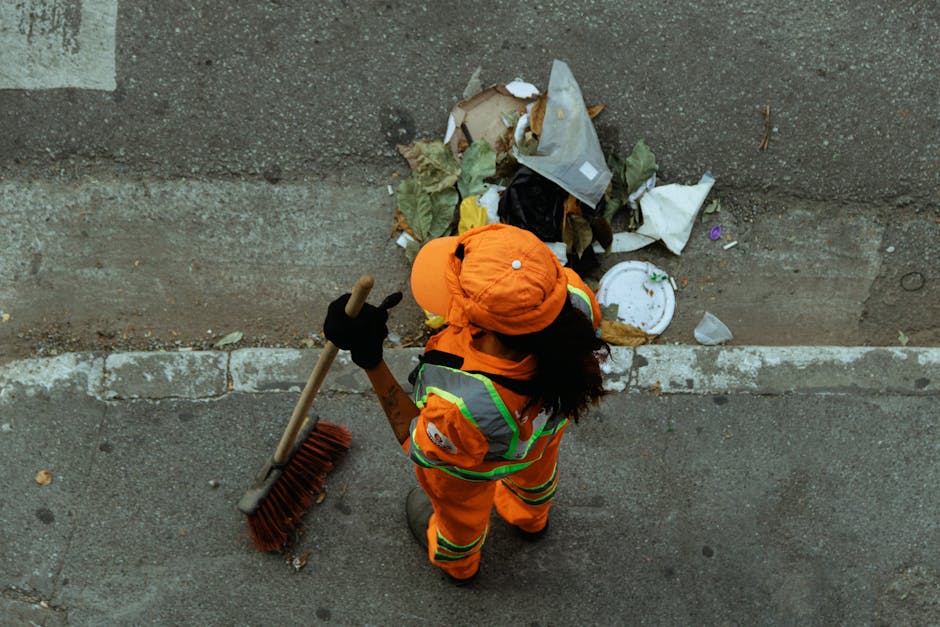
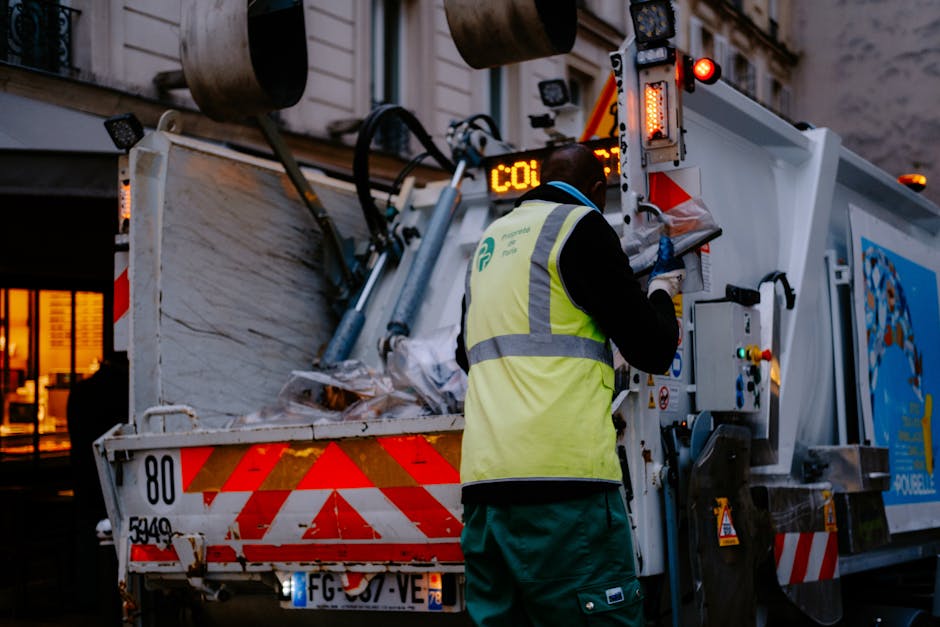
Maltby Street market stall cleaning waste removal Bermondsey
If you run a stall near Maltby Street, you already know the rhythm: early setup, a busy trading window, then a fast and sometimes messy pack-down. Spills happen. Cardboard piles up. Food waste, packaging, wipes, broken crates, and general litter can build quickly. That is exactly why Maltby Street market stall cleaning waste removal Bermondsey matters so much. It is not just about keeping things looking tidy for the next trading day. It is about hygiene, customer impression, safe working conditions, and making sure the end-of-day clear-down does not turn into a scramble.
This guide walks through what the service involves, how it works in practice, who needs it, and what to look for if you want a reliable, no-nonsense approach. We will keep it grounded in real market conditions too. Because, let's face it, market cleaning is never a neat little office-cleaning job. It is wetter, heavier, more awkward, and often time-sensitive. That is the reality.
If you also need broader support for nearby premises, it can help to understand related services such as commercial cleaning, one-off cleaning, and house clearance when bulky waste or mixed rubbish needs clearing carefully.
Expert summary: For market stalls, good cleaning and waste removal is not a luxury add-on. It is part of keeping trade safe, presentable, and efficient. The best setups are the ones that treat waste handling as part of the trading workflow, not as an afterthought at the end of the day.
Table of Contents
- Why Maltby Street market stall cleaning waste removal Bermondsey Matters
- How Maltby Street market stall cleaning waste removal Bermondsey Works
- Key Benefits and Practical Advantages
- Who This Is For and When It Makes Sense
- Step-by-Step Guidance
- Expert Tips for Better Results
- Common Mistakes to Avoid
- Tools, Resources and Recommendations
- Law, Compliance, Standards, or Best Practice
- Options, Methods, or Comparison Table
- Case Study or Real-World Example
- Practical Checklist
- Conclusion
- Frequently Asked Questions
Why Maltby Street market stall cleaning waste removal Bermondsey Matters
Maltby Street is a high-footfall, food-led market environment, so cleaning and waste control are not background tasks. They shape the customer experience in a very visible way. A spotless stall with well-managed bins, wiped surfaces, and discreet waste removal feels organised and trustworthy. A stall with overflowing bags or sticky residue nearby? That immediately changes how people see the business.
There is also a practical side. Market stalls often deal with mixed waste streams: food scraps, wet cardboard, plastic wrapping, disposable gloves, cloths, grease, produce trimmings, and occasional spillages. If these are left too long, odours build, flies appear, and surfaces become harder to clean. In damp weather, waste can get heavier and leakier, which makes everything more unpleasant to handle. A cold morning in Bermondsey is one thing; a cold morning next to a leaking bin is another entirely.
For traders, poor waste control can affect more than appearance. It can slow pack-down times, increase manual handling risks, and make end-of-day turnover harder. It can also create friction with neighbouring traders if rubbish is left in shared spaces. Good cleaning and waste removal keeps the whole market running more smoothly. That is really the heart of it.
For many stalls, waste control sits alongside other cleaning needs such as deep cleaning after a busy week, hard floor cleaning for spill-prone pitch areas, and stain removal where sauces, oils, or fruit juices have marked surfaces.
What usually goes wrong when waste is not managed well?
- Bags are left until they split or attract pests.
- Cardboard is flattened too late and blocks the stall area.
- Wet waste mixes with dry packaging, creating leakage and smell.
- Cleaning happens after pack-down instead of during the day, so grime sets in.
- Shared walkways are left cluttered, which can create slip or trip concerns.
None of that sounds dramatic, but in real life it matters. A lot.
How Maltby Street market stall cleaning waste removal Bermondsey Works
The best way to think about this service is as a structured end-to-end process. It usually starts before opening and continues after closing, with quick touchpoints during service where needed. The exact arrangement depends on the stall type, trading hours, menu, and how much packaging or food waste is produced.
Typical workflow
- Pre-service setup: Waste containers are positioned neatly, liners are fitted, and any previous-day residue is removed.
- During service: Small clean-downs may happen between rush periods, especially for food stalls handling sauces, oils, crumbly items, or drinks.
- Pack-down: Surfaces are wiped, food-contact areas are cleaned, and waste is segregated into suitable bags or containers.
- Removal: Waste is taken away from the stall area promptly so the pitch is clear and safe.
- Final check: High-touch points, handles, prep surfaces, and the floor around the stall are checked again before handover.
In many cases, the process also includes a slightly deeper finish after the market closes. That might mean degreasing visible marks, dealing with sticky patches, or removing rubbish that has collected under counters and behind display units. Those hidden bits are often the surprise offenders. You know the kind of thing: one bag looks light, then suddenly there are five forgotten boxes, a damp mat, and a wrapper nest behind the sink trolley. Happens all the time.
What gets removed?
Market stall waste removal can cover more than just bin bags. Depending on the setup, it may include:
- food waste and spoiled produce
- packaging materials and cardboard
- single-use service items
- broken or worn disposable cleaning items
- light fixtures, display packaging, and damaged small fittings
- spill waste from cleaning up drinks, sauces, or oily residue
If there is a bulky item or a one-off clear-out after a refurbishment, it may make sense to combine it with a broader service like after builders cleaning or, in some cases, house clearance if mixed waste needs removing carefully and responsibly.
What a professional team normally brings
- appropriate cleaning chemicals for food-safe environments
- microfibre cloths, mops, and scrubbing tools
- heavy-duty waste sacks and liners
- spill kits for fast response to liquids or grease
- protective gloves and safe manual handling practices
- a method for separating general waste from recyclable material where possible
To be fair, not every stall needs the same level of support. A coffee pitch and a hot-food stall will produce very different waste streams. That is why the process has to fit the trade, not the other way round.
Key Benefits and Practical Advantages
When market stall cleaning and waste removal are handled properly, the benefits show up very quickly. Some are obvious; others only become clear after a few weeks of smoother trading.
1. Better presentation
A clean stall gives customers confidence. People may not consciously analyse the mop bucket or the bin area, but they notice when the space feels fresh, organised, and well looked after. In a market setting, that impression can be as important as the food or product itself.
2. Faster turnarounds
Clear waste routines mean pack-down is less chaotic. Staff spend less time hunting for bags, untangling cardboard, or wiping surfaces twice. In a busy trading environment, shaving ten minutes off close-down can make a real difference.
3. Lower hygiene risk
Food waste and spill residue are obvious hygiene concerns. Odours, pests, and sticky contamination are all easier to prevent than to correct. That is one reason a lot of stallholders prefer a consistent cleaning routine rather than occasional rescue cleaning.
4. Reduced slip and trip hazards
Wet flooring, loose packaging, and waste bags placed awkwardly can create avoidable accidents. Good cleaning reduces clutter and helps keep walkways, prep zones, and loading areas safer.
5. Less stress at the end of the day
There is a quiet relief in knowing the stall is under control. No one wants to finish a trading day and still face a pile of waste that feels bigger than it should. When the process is smooth, the whole team feels it.
6. Better alignment with sustainability goals
If your stall separates recyclables and reduces contamination, it becomes easier to improve waste efficiency. If sustainability matters to your business model, you may also find recycling and sustainability useful as part of the wider operational picture.
| Area affected | What good cleaning and waste removal improves | Why it matters |
|---|---|---|
| Customer-facing stall area | Appearance, smell, first impression | Helps attract repeat trade |
| Prep and service surfaces | Hygiene and ease of wipe-down | Reduces residue build-up |
| Walkways and pack-down zones | Safety and movement | Lowers trip and slip risk |
| Back-of-stall waste storage | Organisation and odour control | Makes close-down easier |
Who This Is For and When It Makes Sense
This kind of service is not only for large food traders. In practice, it suits a wide range of stalls and market operators. If you have waste that is awkward, regular, or time-sensitive, you are probably already in the right territory.
Typical users
- food and drink stallholders
- market traders with packaging-heavy stock
- pop-up vendors with temporary setups
- traders who need early-morning or late-evening cleaning support
- teams sharing back-of-house space
- new stall operators who want a tidy, reliable routine from day one
When it makes sense most
This service is especially useful when:
- your stall generates mixed waste every trading day
- you have limited storage for rubbish and cleaning materials
- customer flow is high and surfaces get messy quickly
- you need a fast reset before the next market session
- your current setup feels rushed, inconsistent, or frankly a bit makeshift
There are also seasonal peaks. Summer trading can bring more waste volume, more sticky residues, and more demand for quick cleaning. Winter can bring wetter footwear, muddy surfaces, and damp packaging. Different problem, same need: reliable systems.
If your stall also shares space with nearby offices, loading corridors, or communal entry points, then related support such as communal area cleaning or commercial cleaning may make sense too. Different environment, same principle: keep the shared parts under control.
Step-by-Step Guidance
If you are thinking about setting up or improving a cleaning and waste removal routine, start with the basics. The goal is to make the process repeatable. Not fancy. Just dependable.
Step 1: Map your waste streams
List what your stall actually throws away in a normal trading day. Include food waste, packaging, cardboard, broken disposables, wipes, gloves, and any special materials. Once you know what exists, it becomes much easier to handle.
Step 2: Separate the waste types
Keep dry recyclables separate from food-contaminated waste wherever practical. Even a simple split between clean cardboard and mixed waste can make the end-of-day process cleaner and less wasteful.
Step 3: Set cleaning touchpoints
Decide when small clean-downs happen. Before opening, midway through service, and after closing are the usual checkpoints. If your trade is particularly messy, a few extra passes may be needed. Nothing dramatic. Just realistic.
Step 4: Assign responsibility
Waste handling should not be "someone's job" in a vague sense. It should be clear who does what, when, and with which materials. Even on a small team, clarity saves a lot of time and tension.
Step 5: Build the pack-down sequence
Good market operators often follow the same close-down order each time:
- clear customer-facing waste
- remove food leftovers and contaminated materials
- wipe visible surfaces
- deal with floor spills
- bag and remove rubbish
- do one final look behind and under the counter
Step 6: Review what is still causing problems
If the same mess keeps showing up, the process needs tweaking. Maybe the waste bins are too small. Maybe the liners are poor quality. Maybe the layout encourages clutter. It is often a systems issue, not a people issue.
Expert Tips for Better Results
Over time, the difference between an average stall routine and a good one usually comes down to the small stuff. The boring bits, basically. But those are the bits that save you on a busy Saturday morning.
- Use the right liner size. Too small and bags split; too large and they are awkward to move.
- Keep a spare cleaning kit close by. If a spill happens mid-service, a ten-second response is better than waiting until closing.
- Do not let wet waste sit with cardboard. It makes recycling harder and can cause odour fast.
- Clean from top to bottom. Start with surfaces, then shelves, then the floor. Otherwise you chase crumbs around forever.
- Check hidden corners. Under counters, behind crates, and around bins are the usual trouble spots.
- Use short, regular resets. Five-minute refreshes can beat one exhausting, messy clean at the end.
A small tip that sounds almost too simple: label your bags or bins clearly. It saves more mistakes than people expect. Half the battle is removing guesswork. The rest is elbow grease, truth be told.
Where stall waste is especially stubborn, services like one-off cleaning can help with occasional deeper resets, while regular cleaning may suit operators who want a steady routine without rebuilding the process each week.
Common Mistakes to Avoid
Most problems around market cleaning are predictable. That is the good news. If you know what tends to go wrong, you can usually avoid it before it becomes expensive or messy.
Leaving waste until the end
This is the classic mistake. It feels efficient in the moment, but it almost always creates a bigger job later. Waste should be handled continuously in small doses whenever possible.
Using the wrong cleaning products
Not every surface needs the same chemistry. Harsh products can damage finishes, dull metal, or leave residue where food is prepared. A safer, targeted approach is usually better.
Ignoring odour sources
Sometimes the visible waste is not the real issue. A drip tray, a damp cloth, or a hidden patch of food debris can be what makes the stall smell off by closing time.
Mixing clean and contaminated waste
Cardboard contaminated by food or grease is much harder to manage. Once contamination spreads, recycling becomes less straightforward and waste volume can feel larger than it needs to be.
Forgetting the floor
The floor is where many market problems show up first: drips, crumbs, sticky patches, and tracked-in dirt. If you skip it, everything else feels unfinished.
Trying to do everything with a tiny system
Some stalls simply outgrow their original arrangement. That is not failure; it is just business. If waste is regularly overflowing, the system needs to be scaled up.
Tools, Resources and Recommendations
You do not need a huge kit to keep a market stall tidy, but you do need the right basics. A small, well-chosen set of tools makes the whole routine less stressful.
Useful tools
- heavy-duty bin liners
- colour-coded cloths
- microfibre mops and cloths
- food-safe detergent or sanitiser appropriate to the surface
- scrapers for sticky residue
- spill absorbents for liquids
- sealed waste bins where practical
- gloves suited to the task
Useful service combinations
Depending on your stall type, these related services can support better results:
- commercial carpet cleaning for indoor trading spaces with textile flooring
- window cleaning where display glazing affects presentation
- hard floor cleaning for tiled or sealed prep zones
- oven cleaning for food traders with cooking equipment
- upholstery cleaning if seating or soft furnishings are part of the setup
If you are planning seasonal adjustments or a broader refresh, deep cleaning can help reset the space properly. And if the stall sits within a larger business environment, office cleaning may be useful for back-office or admin areas nearby.
Law, Compliance, Standards, or Best Practice
Waste handling and cleaning in a food or market environment should be treated carefully. I will keep this plain: traders should follow the relevant local requirements, food hygiene expectations where applicable, and sensible health-and-safety practice. The exact obligations can vary depending on the type of stall, the waste generated, and how the trading setup is managed.
In practice, best behaviour usually includes:
- keeping waste contained and removed promptly
- preventing contamination of food-contact areas
- using safe manual handling methods for bags and bins
- storing cleaning chemicals correctly
- avoiding blocked walkways and shared access points
- keeping enough equipment on hand to deal with spills quickly
It is also wise to keep an eye on internal policies for safety, insurance, and security if the stall is operated by a larger team or business. For example, a clear health and safety policy and an understanding of insurance and safety can help you avoid awkward surprises if something goes wrong.
For businesses that care about environmental handling, the recycling and sustainability approach should be practical, not performative. Separate what you can, keep contamination low, and do not promise what the stall cannot genuinely deliver. That is the honest version.
If you use a third party to help with cleaning or waste removal, read the service terms carefully. The pages for terms and conditions, privacy policy, and payment and security are useful for understanding how the service is handled from an administrative point of view.
Options, Methods, or Comparison Table
There are a few sensible ways to manage market stall cleaning and waste removal. The right choice depends on trading volume, staff availability, and how tightly your schedule runs.
| Method | Best for | Strengths | Limitations |
|---|---|---|---|
| In-house cleaning | Small stalls with simple waste streams | Low cost, immediate control | Can be inconsistent when trading gets busy |
| Scheduled support | Regular market traders | Reliable routine, less pressure on staff | Needs a clear agreement and timing discipline |
| One-off reset | After a busy period or change in layout | Great for clearing built-up grime | Does not solve ongoing waste habits on its own |
| Broader commercial cleaning | Stalls within larger business spaces | Useful for multiple areas at once | May be more than a single stall needs |
For many traders, the sweet spot is a hybrid approach: handle small daily tasks in-house, then bring in additional help when the workload spikes or the space needs a proper reset. That tends to be the most practical route. Not glamorous, but practical.
Case Study or Real-World Example
Imagine a Bermondsey food stall selling hot dishes, drinks, and packaged sides. During the morning rush, staff are busy serving, the bin fills up quickly, and cardboard stacks begin to gather behind the counter. By early afternoon, the prep area already feels cluttered. Someone tries to tidy later, but by then the floor has a couple of sticky patches and the waste bags are too full to move comfortably.
Now compare that with a more disciplined routine. The team keeps one waste bag for food scraps, another for dry packaging, and a spare liner ready. A five-minute reset happens before the busiest period. During service, one person checks the waste area every so often. At close, the clean-down is quicker because the mess never had time to spread.
The difference is not just appearance. The second stall feels calmer. Staff are less frazzled, pack-down is faster, and the stall is ready for the next day without a long, ugly catch-up clean. The whole place feels lighter. That is often what clients really want when they ask for market stall cleaning waste removal Bermondsey, even if they do not phrase it exactly that way.
For a stall with a bigger seasonal reset, combining that routine with one-off cleaning can help remove the buildup that daily wiping never quite catches.
Practical Checklist
Use this checklist to tighten up your stall cleaning and waste removal routine.
- Waste streams are separated into clear categories
- Bin liners are the right size and strength
- Spill kit or cleaning kit is easy to reach
- High-touch surfaces are wiped during and after trading
- Floors are checked for drips, crumbs, and sticky patches
- Pack-down has a fixed sequence
- Back-of-stall storage is not being used as a dumping ground
- Food waste is removed promptly to prevent odour
- Cardboard is flattened and dealt with separately where possible
- Team members know who is responsible for what
- Shared areas are left clear and safe
- Any recurring problem is reviewed rather than ignored
If you can tick most of those items consistently, you are already ahead of many traders. If not, that is fine too. Start with the messiest point first and work outward.
Conclusion
Maltby Street market stall cleaning waste removal Bermondsey is really about keeping a fast-moving trading space under control. Cleanliness, waste removal, and basic hygiene are tied closely together. When one slips, the others usually follow. When the system is solid, everything feels easier: the stall looks better, the close-down is smoother, and the team has more energy left at the end of the day.
The best approach is usually simple and consistent rather than complicated. Know your waste types. Remove them promptly. Keep surfaces and floors under control. Review what is not working. That is the practical formula, and it works well in real market conditions.
If you are trying to improve your stall routine, start small but start today. A better system often begins with one better habit, then another. One clean close-down leads to the next, and before long the whole operation feels less frantic. That is a good feeling, honestly.
Get a free quote today and see how much you can save.
Frequently Asked Questions
What does market stall cleaning waste removal actually include?
It usually includes cleaning the stall surfaces, removing food waste and packaging, clearing rubbish bags, dealing with spills, and making sure the trading area is left tidy and safe after service.
Is this service only for food stalls?
No. Food stalls need it most often, but packaging-heavy traders, pop-up vendors, and stalls with bulky display waste can also benefit a lot from it.
How often should a market stall be cleaned?
Most stalls need some level of cleaning every trading day, even if it is only a short close-down routine. Busy or food-led stalls often need more frequent touchpoints during service.
What is the biggest mistake stallholders make with waste?
Leaving everything until the end of the day is probably the most common issue. It makes cleaning slower, smellier, and more stressful than it needs to be.
Can cleaning and waste removal help with odours?
Yes. Prompt waste removal, regular wiping, and attention to hidden residue can reduce odours significantly. In many cases, the smell comes from small overlooked spots, not just the main bin.
Do I need a deep clean as well as daily cleaning?
If the stall gets greasy, sticky, or heavily used, then yes, periodic deep cleaning is very sensible. Daily cleaning keeps things manageable, while deep cleaning resets the space.
What should I do with cardboard and packaging?
Keep clean cardboard separate from food-contaminated waste where practical. Flattening it early also saves space and makes the close-down much easier.
How do I stop waste areas becoming cluttered?
Set a fixed waste routine, use the right number of bins, and check the area at regular intervals. Clutter usually grows when no one owns the process clearly.
Is this different from regular commercial cleaning?
Yes, a market stall is usually more compact, more fast-paced, and more exposed to spill risk than a standard commercial space. The cleaning approach needs to be more flexible and immediate.
What should I look for in a cleaning service?
Look for reliability, sensible timing, clear communication, and a practical understanding of food-led or high-turnover trading environments. Good market cleaning is about systems as much as scrubbing.
Can I combine stall cleaning with other services?
Yes. Depending on the site, it may make sense to combine it with services like hard floor cleaning, window cleaning, or one-off cleaning to deal with the wider space efficiently.
How do I know if my current setup is not good enough?
If you regularly finish trading with waste overflow, sticky floors, lingering smells, or a rushed pack-down, the system likely needs tightening. That is usually the clearest sign.
What is the most practical first step?
Start by mapping the waste you produce and separating it into simple categories. Once that is clear, cleaning and removal become much easier to organise.
Who should manage waste on a shared stall?
Someone should be clearly responsible, even if the team is small. Shared responsibility sounds fair, but in practice it often means nobody is fully accountable. A named process works better.
When is the best time to book extra support?
Busy trading periods, seasonal peaks, refurbishments, and any time the stall starts to feel harder to control are all good moments to bring in extra support. It is better to stay ahead of the mess than chase it.
For more about the team behind the service, you can also review the about us page, or use contact us if you want to discuss a specific cleaning or waste removal requirement.